
Core research topic
Geopolitics and Energy Security
Chokepoints, sanctions, and security of supply.

China Energy Demand
This briefing tracks China's energy demand and import strategy, covering its rise to the world's largest LNG importer in 2021, continued reliance on coal, evolving gas and pipeline infrastructure incentives, and its pursuit of supply diversity amid shifting geopolitical alignments.
11 publications

Energy Security Doctrine and Institutions
This briefing examines the evolving framework of U.S. energy security (spanning import dependency, efficiency, affordability, and infrastructure vulnerability) and the shift toward an active-sovereignty doctrine, tracking the institutions and events that shape national energy policy.
17 publications

European Gas Security and Russian Supply
Since mid-2022, U.S. LNG has displaced collapsed Russian pipeline gas in Europe, with U.S. LNG exports rising to 11.7 BCF/d and the European share climbing to 81%; the January 2025 expiry of Ukrainian transit removed a further 1.5 BCF/d, leaving European inventories below trend.
50 publications
Iraq and Middle East Oil Supply
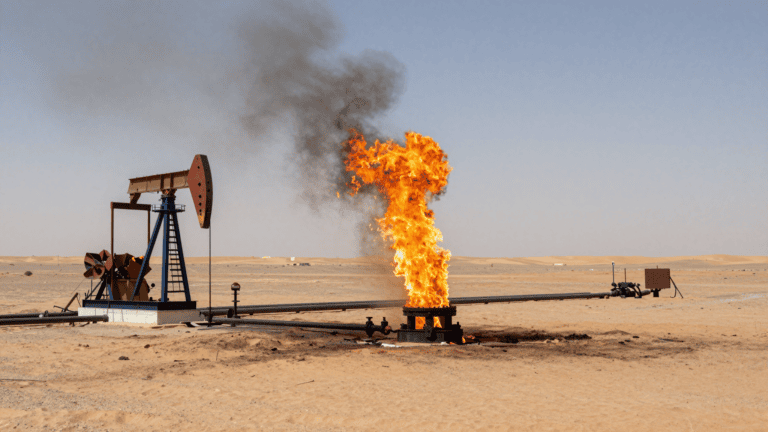
This briefing covers Iraqi and broader Middle East oil supply, including sanctions on Iranian exports of roughly 1.5 million barrels per day, OPEC+ production management, and the security of tanker traffic through the Red Sea and Strait of Hormuz amid regional military conflict.
8 publications
Keystone XL and Canadian Oil Sands
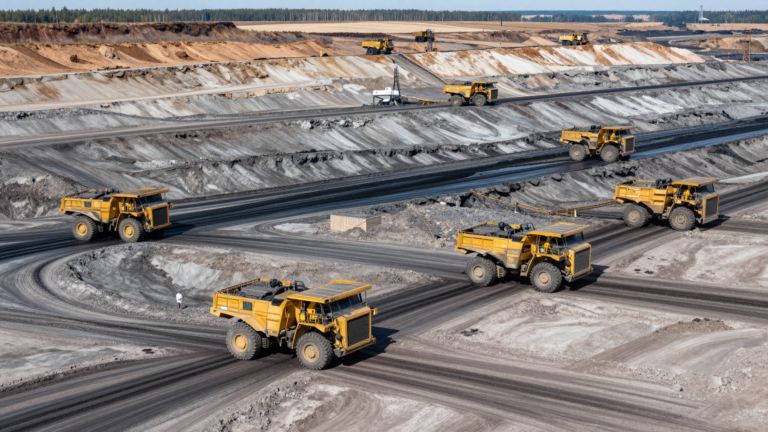
Canada supplies roughly 2.8 million barrels per day of crude to U.S. refineries, nearly all its exports; this briefing covers the oil sands, Keystone XL pipeline access to Gulf Coast refineries, and the cost impact of U.S. tariffs on Canadian crude.
20 publications
Mexico Oil and Gas
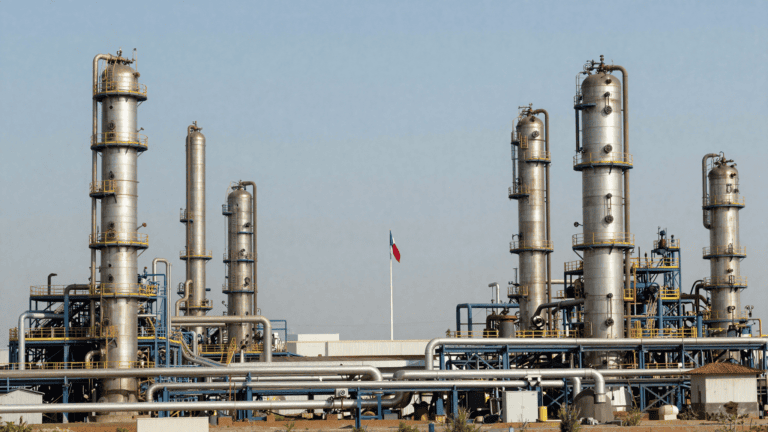
Mexico is an integral part of the North American petroleum platform, supplying 780,000 barrels per day of crude to U.S. refineries, while its own oil reserves and PEMEX-led production face structural decline and policy-driven constraints.
24 publications

Oil and Gas Taxation and Regulatory Reform
This briefing covers federal oil and gas leasing, royalty, and taxation policy, including onshore versus offshore royalty trends and foregone tax revenues projected at $57.4 billion through 2024.
22 publications

OPEC and Global Oil Markets
This briefing tracks OPEC and OPEC+ production management, sanctions on Iranian and Russian crude, and Middle East conflict risk to tanker traffic, alongside U.S. production dynamics: the interacting forces that set global crude prices and benchmark discounts.
27 publications
Russia-Ukraine Energy Disruption
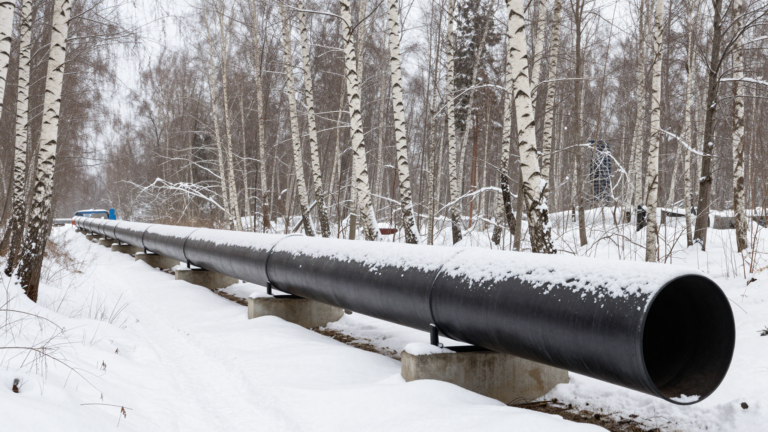
The war has severed Russian energy flows to Europe: pipeline gas fell from a 2019 peak of 15 BCF/d to under 1 BCF/d, Ukraine ended Russian transit on January 1, 2025, and sanctions plus Ukrainian refinery strikes have reshaped Russian crude and product exports.
26 publications

Strait of Hormuz and Oil Chokepoints
The crisis has entered a new phase, and the market's April–June de-escalation has reversed. On July 7 the U.S. revoked a license permitting Iranian oil sales and struck targets inside Iran; three tankers came under attack near Oman. On July 8, President Trump declared the ceasefire over and floated a takeover of the Kharg Island terminal; front-month Brent settled 5.2% higher at $78.02/bbl. Brent settled 9.59% higher again on July 13, at $83.30, and has traded near $85 since — roughly 20% above its July 2 low of $70.65. Reuters reported tanker transits fell to a two-month low by July 13; after the U.S. Navy reimposed its Hormuz blockade, only seven vessels crossed on July 15, down from 13 the day before.
The Strategic Petroleum Reserve, the second buffer that had helped cap prices earlier in the crisis, is now materially depleted: 316.5 million barrels as of the week ending July 10 — the lowest level since April 1983. Roughly 73 million barrels remain on the announced IEA-coordinated release; for context this is almost exactly the maximum drawdown allowed under the statutory floor for non emergencies (252.4 million barrels of reserve). At the completion of this release, the SPR will be lower than law has deemed is the minimum threshold for emergencies, just as we are entering phase 2 of the crisis. Both the diplomatic track and the stockpile buffer that anchored the April–June de-escalation have now been substantially withdrawn, which is the basis for characterizing this as a new era of the crisis.
31 publications
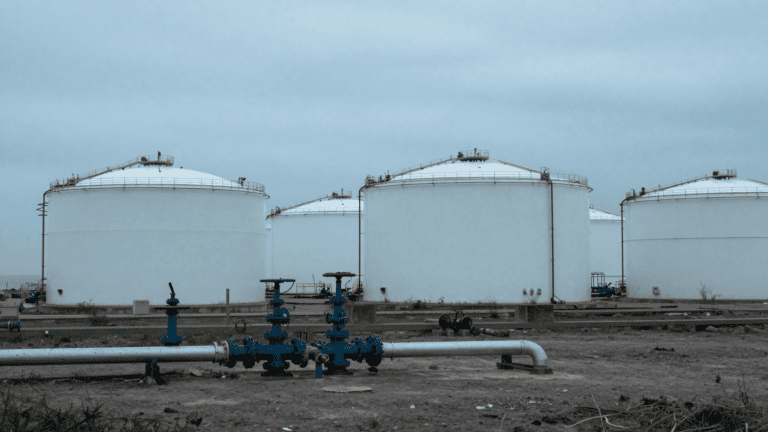
Strategic Petroleum Reserve
The U.S. Strategic Petroleum Reserve, tapped for a record 220-million-barrel drawdown between November 2021 and March 2023, fell to roughly half of capacity and has since been further depleted following the 2026 Hormuz Strait blockade, constraining emergency import coverage.
18 publications
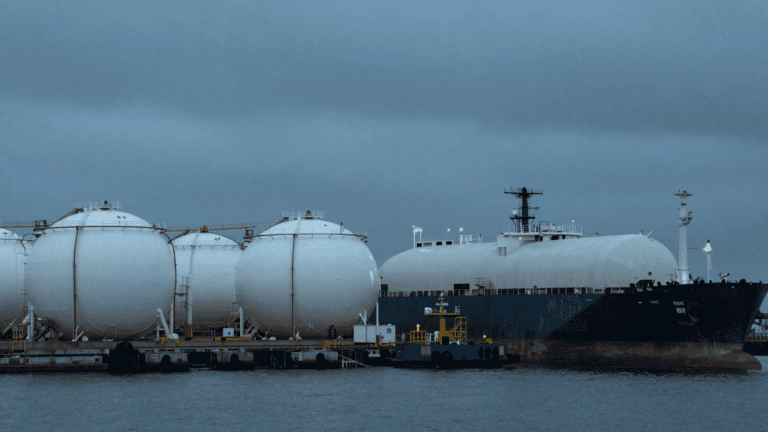
US LNG Exports and Asian Gas Markets
U.S. LNG export capacity in operation reached 18 BCF/d as of December 2025, with another 15 BCF/d under construction; Asian markets remain exposed to supply disruptions such as a Strait of Hormuz closure, which would remove roughly 10.6 BCF/d of Qatari LNG.
64 publications

Venezuela Oil
This briefing examines the U.S. crude oil trade with Venezuela, which fell from 730,000 barrels per day (9.25% of imports) before 2019 sanctions to about 170,000 barrels per day since 2023, and the sector's prospects following the January 2026 removal of Maduro.
7 publications
Latest in this topic
All publications in this topic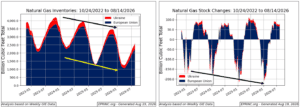 ChartEuropean Natural Gas Inventories: A Record-Low Buffer Entering WinterEurope and Ukraine hold a combined 5 tcf of natural gas storage capacity (4 tcf and 1 tcf, respectively), but this year’s refill has fallen…
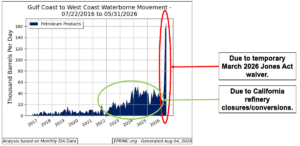 ChartWest Coast Product Receipts: The Jones Act Waiver’s Sixfold SurgeCombined April and May 2026 waterborne receipts of Gulf Coast petroleum products into the U.S. West Coast reached 377 thousand barrels per…SalonPressMax Pyziur Cited in Salon’s Russell Payne’s Article on the Hormuz Blockade
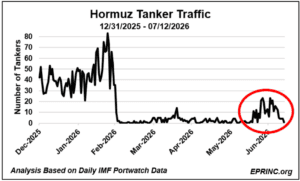 ChartThe Hormuz crisis has entered a new eraThe mid-June resumption of tanker traffic through the Strait of Hormuz was the largest since the strait closed on March 5, 2026.…
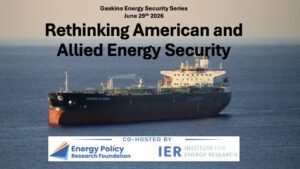 Event“Rethinking American and Allied Energy Security” Workshop Cohosted With IEROn Monday, June 29th, 2026, the Energy Policy Research Foundation, together with the Institute for Energy Research (IER), cohosted a workshop entitled…
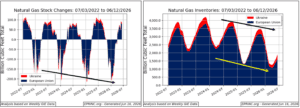 ChartNatural Gas Inventories in the Northern Latitudes: A Mid-Year ReviewRecent harsh winters across the northern latitudes have elevated reliance on natural gas for seasonal power and heating in both the U.S.…SalonPressEPRINC’s Max Pyziur Interviewed by Salon.com About the Current Status of the Hormuz Closure and Its Ramifications on Global Energy Flows and PricesEPRINC’s Max Pyziur was interviewed by Salon.com about the current status of the Hormuz closure and its ramifications on global energy flows…
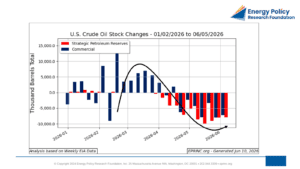 ChartU.S. Crude Inventories, Strategic and Commercial, in the Wake of HormuzFollowing the Hormuz Strait blockade, U.S. crude oil inventories declined from 855 million barrels at the end of February 2026 to 776…