
Auto Fuel Economy Standards: How Should We Proceed?
In 2012 the federal government required automakers to meet more stringent standards for both fuel economy and reductions in greenhouse gas (GHG) emissions for the

In 2012 the federal government required automakers to meet more stringent standards for both fuel economy and reductions in greenhouse gas (GHG) emissions for the

President Obama has told us that his energy policy philosophy is “All-Of-The-Above.” I have mentioned in the past that you need to take him literally:
EPRINC has just published CAFE, Gasoline Prices and the Law of Diminishing Returns: A New Agenda for the Midterm Evaluation. The paper was authored by
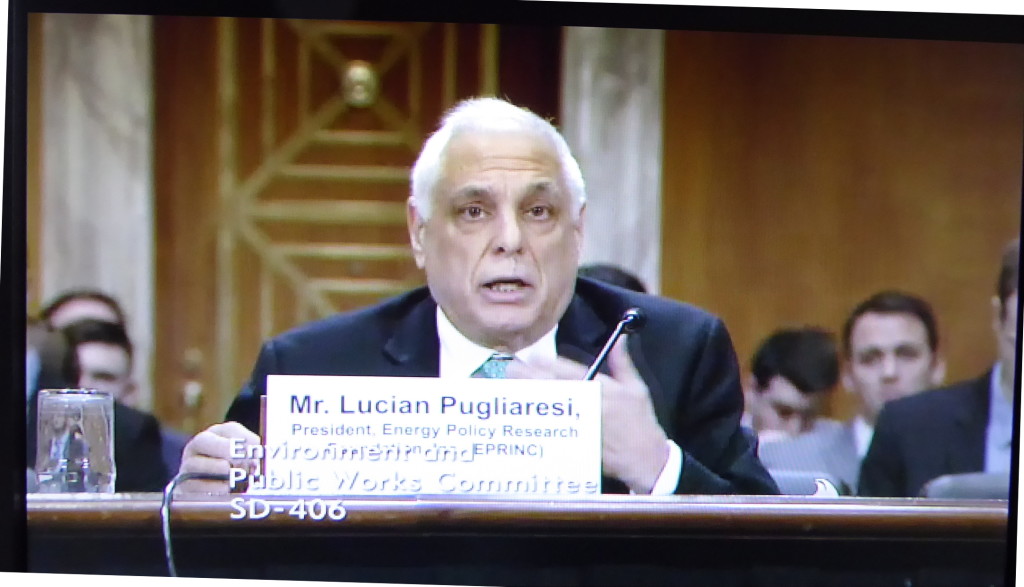
On February 24, 2016, Lucian Pugliaresi testified before the Senate Committee on Environment& Public Works on the Renewable Fuel Standard. His testimony given before the
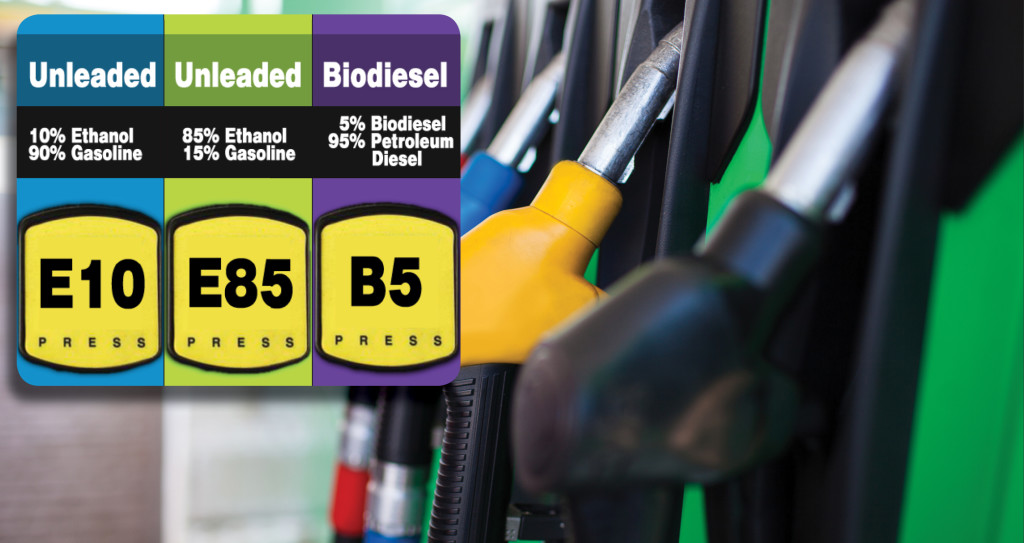
EPRINC estimates that under current law fuel costs could increase by an additional $0.15 to $0.25 per gallon in 2022, with considerable potential for price

http://www.politico.com/agenda/story/2015/06/congress-strategic-petroleum-reserve-000125

EPRINC would like to thank the Italian Ambassador and his staff for their support of this event. Please email EPRINC at contact ‘at’ eprinc.org if you would
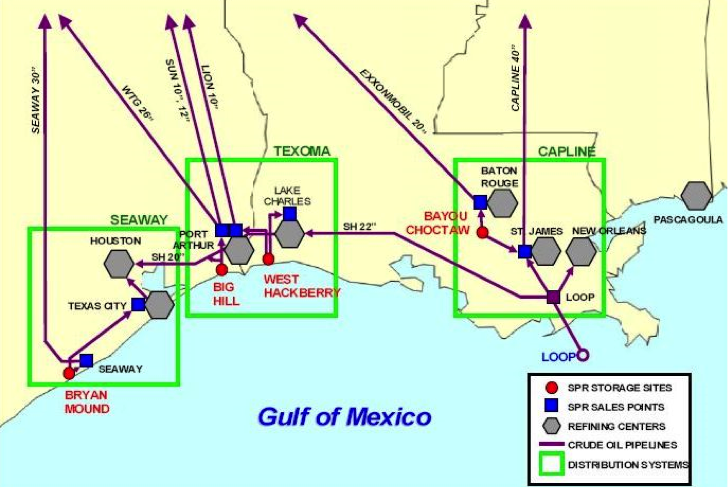
Download the full report below. For further reading on recent research on the value and role of the SPR, please see a recent publication by
Dominick Blue
Distinguished Fellow
Dominick Blue is a Distinguished Fellow at the Energy Policy Research Foundation (EPRINC), where his research focuses on energy resilience, reliability, and the secure integration of emerging technologies into the power sector. His current work examines the intersection of advanced computing, infrastructure planning, and national energy security.Dominick’s research portfolio includes analysis of AI and data center electricity demand-forecasting regional load growth, reliability implications, siting dynamics, and market coordination. He also leads studies on grid modernization and energy security, assessing resilience investments, interconnection constraints, and federal–state coordination under higher load scenarios. His additional work explores the revival of the U.S. nuclear sector, financing and licensing pathways for advanced reactors, and rebuilding domestic manufacturing capacity to support the nuclear supply chain.Further research areas include gas-to-power infrastructure, pipeline and turbine capacity, and the role of gas in maintaining reliability within a diversified generation mix. Across these topics, Dominick focuses on translating complex technical findings into accessible policy insights for decision-makers at DOE, FERC, and state regulatory agencies.Before joining EPRINC, Dominick held senior leadership roles in infrastructure, technology, and risk management, including Managing Partner and Director of Client Innovation for private investment and global critical infrastructure firms, respectively. A former U.S. Marine Corps Chief Warrant Officer Two in CBRN Defense, he brings a mission-driven perspective to energy resilience and safety. He holds a Masters of Business from the University of Southern California and has completed graduate studies in Computer Science at Georgia Tech, with research interests in AI systems, resilient infrastructure, and energy transition security.