
The Trump Administration recently ordered a full review of the corporate average fuel efficiency (CAFE) standards for automobiles sold in the U.S. market. The action by the President did not alter current or prospective CAFE standards, which require cars and light duty trucks sold in the United States to reach an average fuel economy of 41.7 miles per gallon by 2020, increasing to 54.5 miles per gallon by 2025. Note that the more challenging efficiency gains are scheduled for the out years, one reason the review was part of the original agreement on setting longer-term fuel efficiency standards. Of special concern was the issue that adjustments to the program might be necessary should new circumstances arise that would make the program costlier, including a long period of lower gasoline prices, changes in consumer preferences, health of the auto industry, and/or the pace at which new technologies could be adopted into future model years.
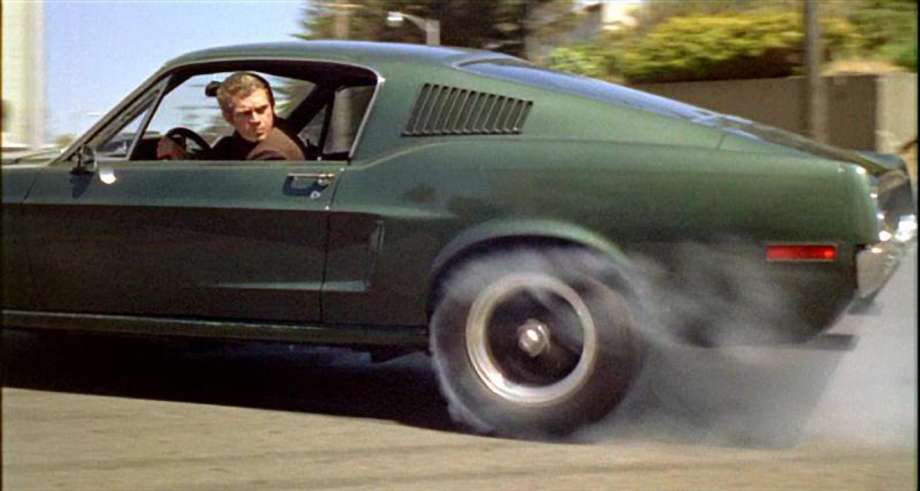
CAFE standards entail considerable economic risks because mandated advances in fuel efficiency are pushing against a technology that is already very efficient, i.e., we are experiencing the law of diminishing returns. A good example of this can be found in the iconic film “Bullitt” in which Steve McQueen chases the bad guys in a 1968 Mustang GT, 4 Speed, 328 HP Fastback. That muscle car spewed out somewhere between 1500 pounds to 1 ton of so-called criteria pollutants (carbon monoxide, lead, ground-level ozone, nitrogen dioxide, particulate matter, and sulfur dioxide) per 100,000 miles. Today’s Mustang puts out somewhere between 10-20 pounds of criteria pollutants over the same distance. The automobile industry has made considerable progress in making cleaner vehicles, but further improvements will require moving up a steeper cost curve.
An important, but often not fully appreciated issue by regulators, is that increasing CAFE standards come with some important and counterproductive second order effects. For example, as new cars become more expensive due to the requirements to meet higher CAFE standards, the existing fleet turns over at a slower rate undermining the near-term objectives of the regulation. This is especially true for older gas guzzlers which continue to retain considerable value in the used car market. If you make bigger cars more expensive the fleet of older cars will turn over at a slower pace. There is also the so-called rebound effect as vehicle miles traveled rise as automobiles become more efficient. We now have plenty of research in the academic community and think tanks on both these topics and this research should certainly be part of the MTE.